Why a Systematic Approach Matters

Every lawn has unique characteristics—soil composition, sun exposure, drainage, and grass variety. A one-size-fits-all method rarely addresses underlying factors. By following a logical sequence of assessment, planning, action, and monitoring, property owners can identify what a specific lawn actually needs. Lawn Harmony emphasizes observation and measurement over guesswork. This process reduces trial and error and supports more predictable responses to care. Understanding the current state of the lawn is the first step toward selecting appropriate techniques and schedules.

The Four-Phase Lawn Care Process

  • 01

    Assessment

    Examine soil pH, compaction, thatch layer, and grass type to establish a baseline.

  • 02

    Planning

    Select suitable aeration, seeding, fertilizing, and watering methods based on findings.

  • 03

    Implementation

    Perform core aeration, overseeding, topdressing, and targeted irrigation during optimal windows.

  • 04

    Maintenance

    Monitor growth, adjust mowing height, and repeat seasonal checks to sustain lawn health.

Adapting the Process to Your Lawn's Conditions

No two lawns respond identically to the same routine. Factors such as local climate, soil texture, and shade patterns influence how grass grows and what care it requires. Lawn Harmony's process framework is designed to be flexible—allowing homeowners to adjust each phase based on ongoing observations. Regular monitoring helps identify when a step needs repetition or modification. This adaptive approach supports long-term turf resilience without relying on fixed calendars or assumptions.

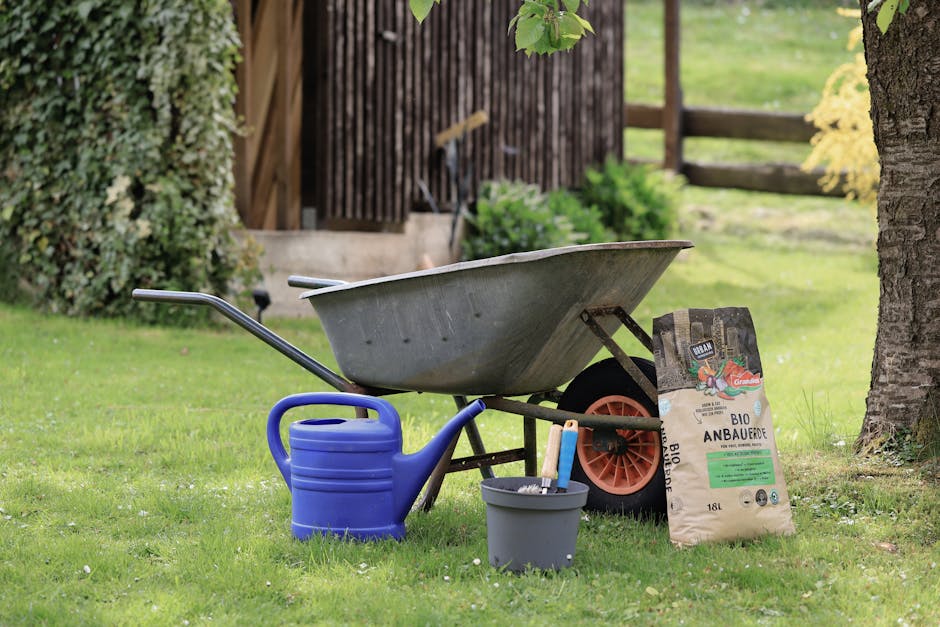
A serene backyard gardening scene featuring a wheelbarrow, watering can, and potting soil on grass.

How Lawn Harmony Approaches Lawn Care

Lawn Harmony offers a methodology grounded in step-by-step evaluation and responsive care. Rather than promising instant results, we provide tools and guidance to help homeowners understand their lawn's specific needs. Our process begins with a thorough assessment of soil, grass, and site conditions. From there, we outline practical steps for aeration, overseeding, and seasonal maintenance. The goal is to equip property owners with a clear, adaptable plan that evolves with their lawn's changing requirements.

Frequently Asked Questions About the Lawn Care Process

  • What is the first step in the lawn care process?
    The first step is a comprehensive assessment of soil quality, grass type, thatch level, and drainage patterns.
  • How often should I assess my lawn?
    Performing a basic assessment at the start of each growing season and after major weather events helps track changes.
  • Can I skip the planning phase?
    Skipping planning may lead to mismatched treatments. A simple plan based on assessment improves efficiency and reduces waste.
  • What maintenance tasks are most important after seeding?
    Consistent light watering, protecting seed from foot traffic, and delaying mowing until grass reaches recommended height.
  • How long does the full process typically take?
    The timeline varies by lawn condition and season. A full cycle from assessment to established growth can span several weeks to months.
🌿 Lawn Harmony
Lawn Harmony provides homeowners with a methodical, step-by-step framework for lawn care—from initial soil assessment to ongoing seasonal maintenance.

1010 Greenway Drive, Rockville, Maryland

Privacy Policy

© 2026 Lawn Harmony. All rights reserved.

Terms of Use

We use cookies

We use cookies to ensure the proper functioning of the website, analyze traffic, and improve your experience. You can accept all cookies or reject them — the site will continue to operate. For more details, read our Cookie Policy.