Seed Selection
Choose grass varieties that match your current lawn type and local growing conditions.
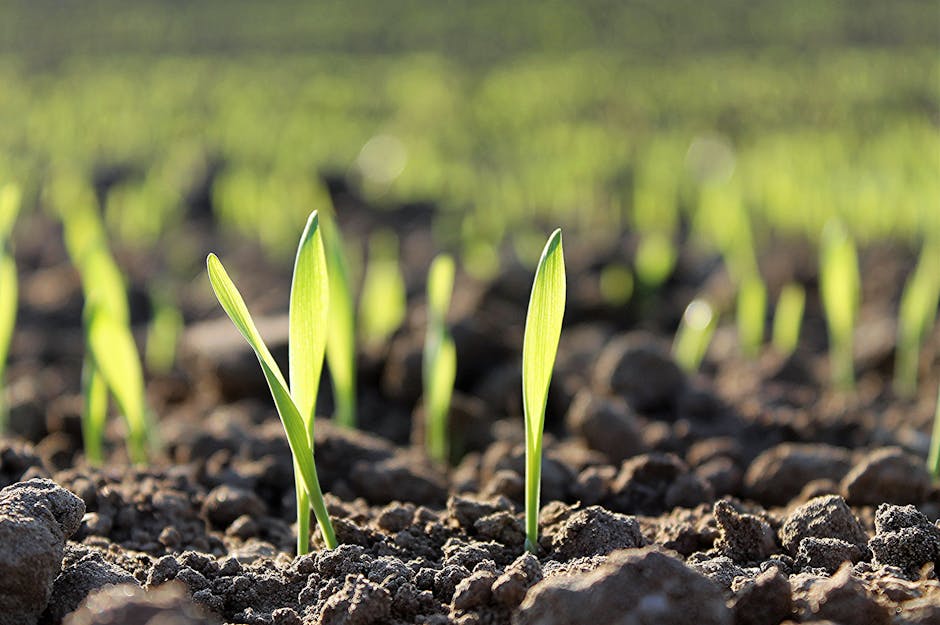
Overseeding is a method of introducing new grass seed into an existing lawn without fully renovating it. This process can be used to address bare spots caused by wear, shade, or thinning and to gradually increase overall turf density over time. At Lawn Harmony, we focus on a structured approach that considers seed variety, timing, and soil contact.
Request a Lawn AssessmentOverseeding involves spreading grass seed over an established lawn to fill in thin or bare areas. The goal is to introduce new genetics that can improve the lawn's resilience and appearance. Success depends on several factors: selecting seed suited to the local climate and existing grass type, preparing the soil surface by mowing low and removing debris, and maintaining consistent moisture after seeding. Because each lawn has unique conditions, the timing and technique are adjusted based on site evaluation.

Choose grass varieties that match your current lawn type and local growing conditions.
Late summer or early fall often provides favorable temperatures and moisture for germination.
Mow the lawn short, remove thatch and debris to improve seed-to-soil contact.
Light, frequent watering keeps the seedbed moist without washing away seeds.
We had several bare patches after a dry summer. The overseeding approach Lawn Harmony explained was straightforward. The lawn filled in gradually over a few weeks.
I wanted to thicken my lawn without starting over. They described the process clearly—seed selection, timing, and watering. The results were noticeable by spring.
After aeration, they recommended overseeding. The team was transparent about what to expect and how to care for the new seedlings. It made a difference.

Lawn Harmony views overseeding as a systematic method to improve lawn density and address bare spots. Our process begins with an assessment of the existing turf, soil conditions, and environmental factors. We then recommend seed types that complement the current grass and local climate. Site preparation includes mowing low, removing debris, and sometimes core aeration to improve seed-to-soil contact. The seed is applied evenly using calibrated spreaders. Aftercare guidelines focus on consistent moisture and reduced traffic during germination. We present this information as a framework—results depend on many variables including weather, lawn condition, and maintenance. Our goal is to provide clear, practical steps that homeowners can consider when planning their own lawn care.
Share some details about your lawn, and we’ll provide an overview of how overseeding methods might apply to your situation.
1010 Greenway Drive, Rockville, Maryland